Providing Best Services in Huntsville & Madison, AL


Follow us on Social.




Expert Drainage Solutions for a Healthier Yard in Huntsville, AL
Most drainage trouble in Huntsville starts in the dirt. A lot of yards here sit on compacted red clay, and clay doesn't take water in. It sheds it. The water runs sideways across the surface instead of down, toward the low spot, the patio, the house. Put about 55 inches of rain a year on that, much of it in hard spring and early-summer thunderstorms, and the water has to go somewhere.
You can't really blame the state for it, or the town. Mostly we blame the way homes get built. Contractors tend to scrape off the good topsoil and do little to replace it. And it isn't clay everywhere: parts of Madison and Limestone counties have more forgiving loam. So the soil on your lot matters more than the area's reputation.

Where Drainage Goes Wrong in Huntsville
Here's where it goes wrong. Dig a hole in clay, set a plant in it and water it, and the hole becomes a bucket. It holds the water and the roots rot. Irrigation systems here tend to run all the time. That's fine for grass, because the extra water runs off. It's not fine for anything sitting in a clay hole. Plants need drainage.
The obvious fix is to dig the bad soil out and put good soil in. That works, to a point. But the soil around it still matters. Dig out a ten-by-ten square in the middle of clay, fill it with good soil, and you've built a small swimming pool. The water goes in and has nowhere to go.
Clay isn't all bad, either. It holds water, so a yard on clay can need watering less often. The trouble starts when water arrives faster than anything can soak it up, and in Southeast Huntsville that isn't theoretical. In June 1999 about 6 inches of rain fell in 2 hours, and Aldridge Creek rose 8 feet in 30 minutes at Mountain Gap Road. The city widened the channel afterward. The creek overflowed again along Todd Mill Road in 2010. Storms like that outrun natural drainage and engineered stormwater systems alike.
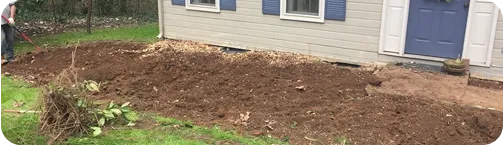
And some jobs are just hard. We had one where the beds were close to the house and boxed in by sidewalk, with no way to get a machine in. The dirt was so hard and compressed it took days to dig out. Then we tilled in sand and organic material to make the soil worth using. One of the most difficult jobs we've done. We wanted to use a jackhammer.


How We Solve Your Drainage Problems in Three Simple Steps



Site Assessment
We thoroughly assess your
landscape and drainage issues
to determine the best solution
for your property.
Custom Solution
We provide tailored solutions
that fit your specific drainage
needs.
Professional Install
Our team installs your drainage
system efficiently, ensuring it
works flawlessly for years to
come.
Ready to Create Your Perfect Outdoor Space?


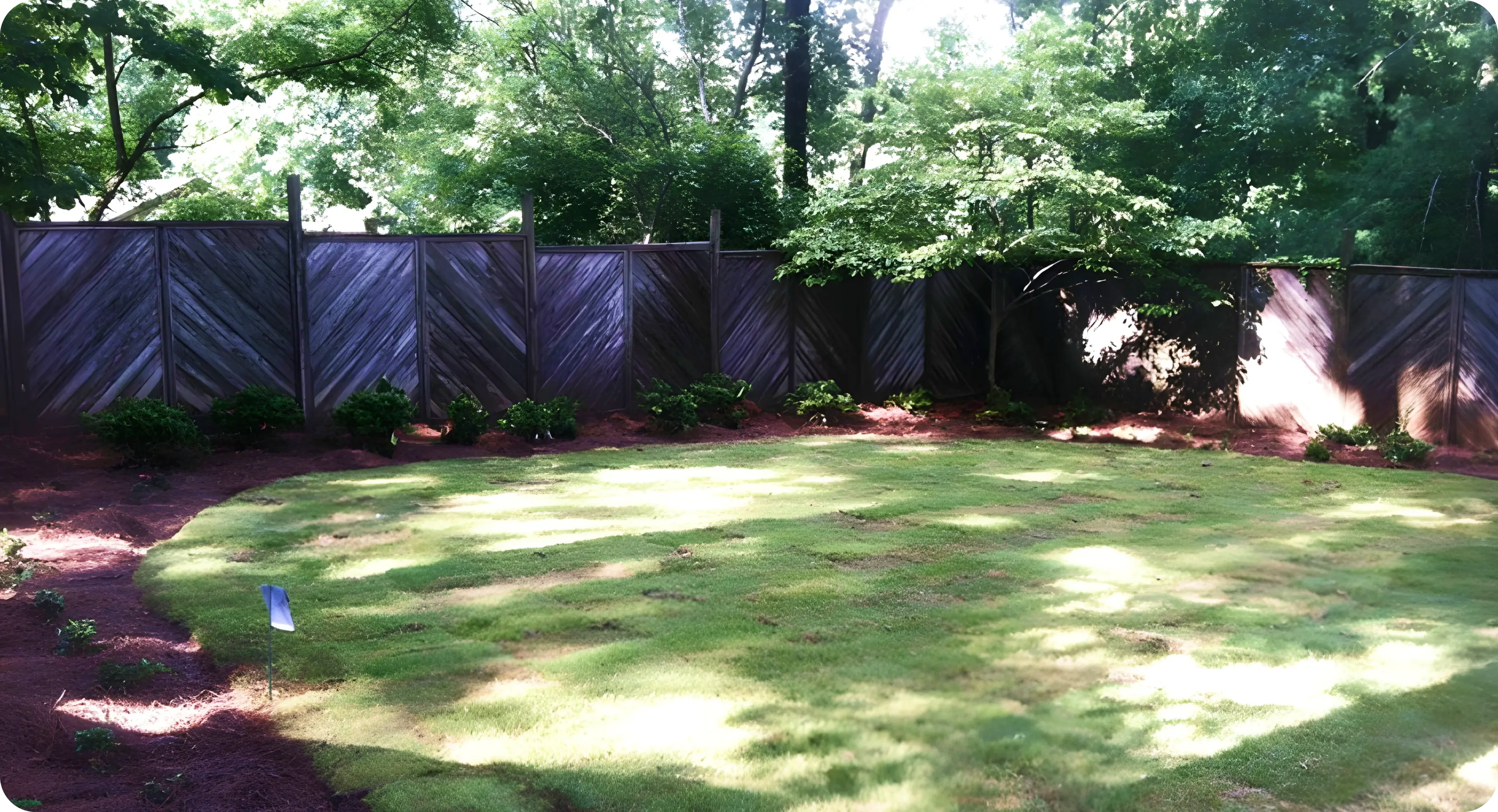
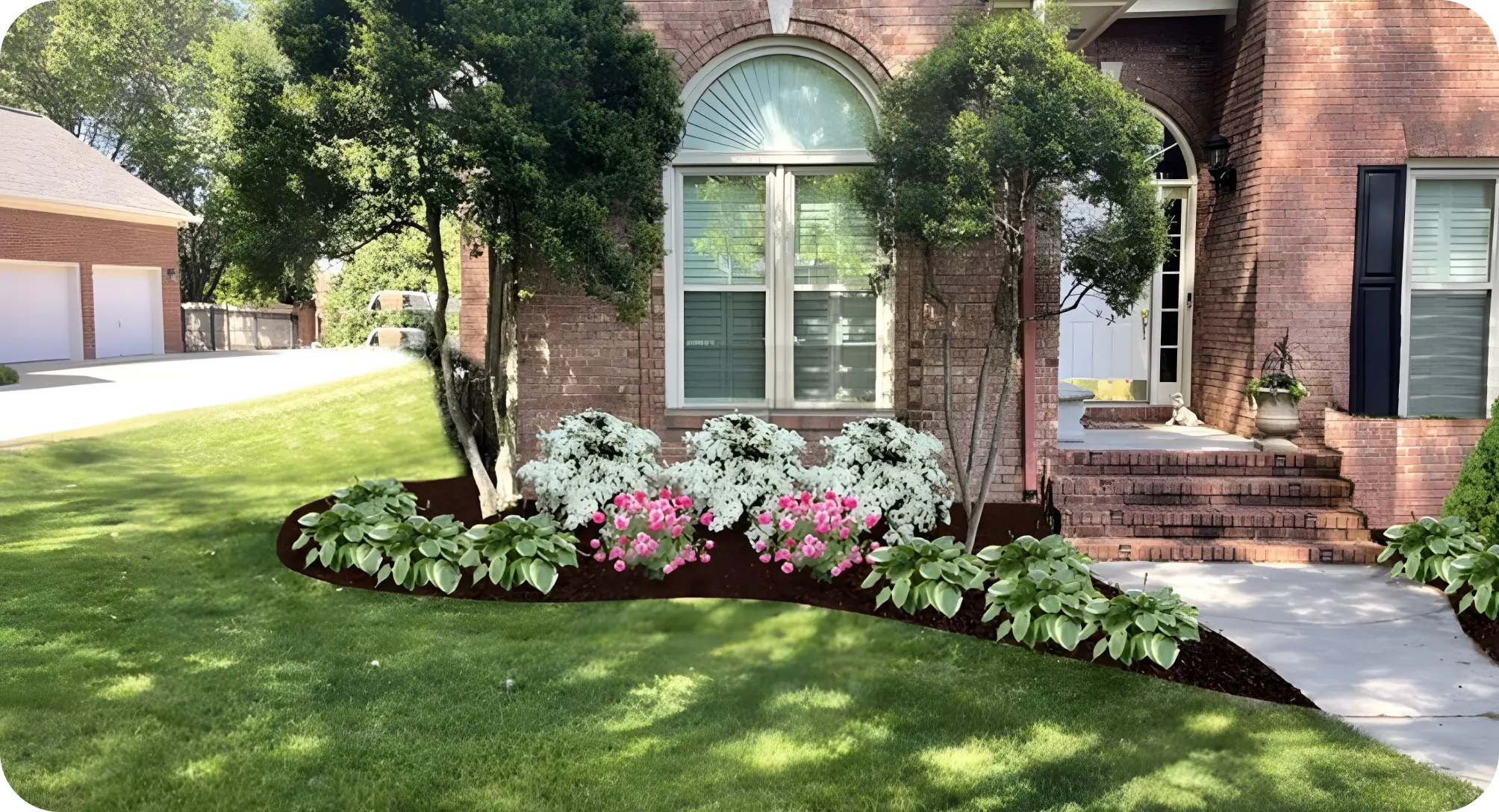
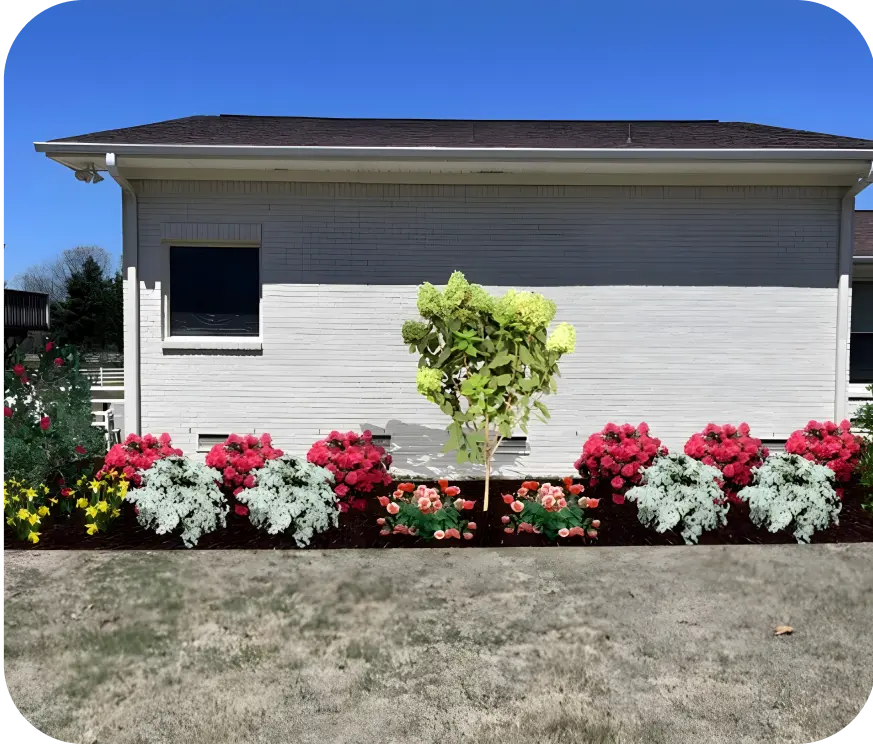
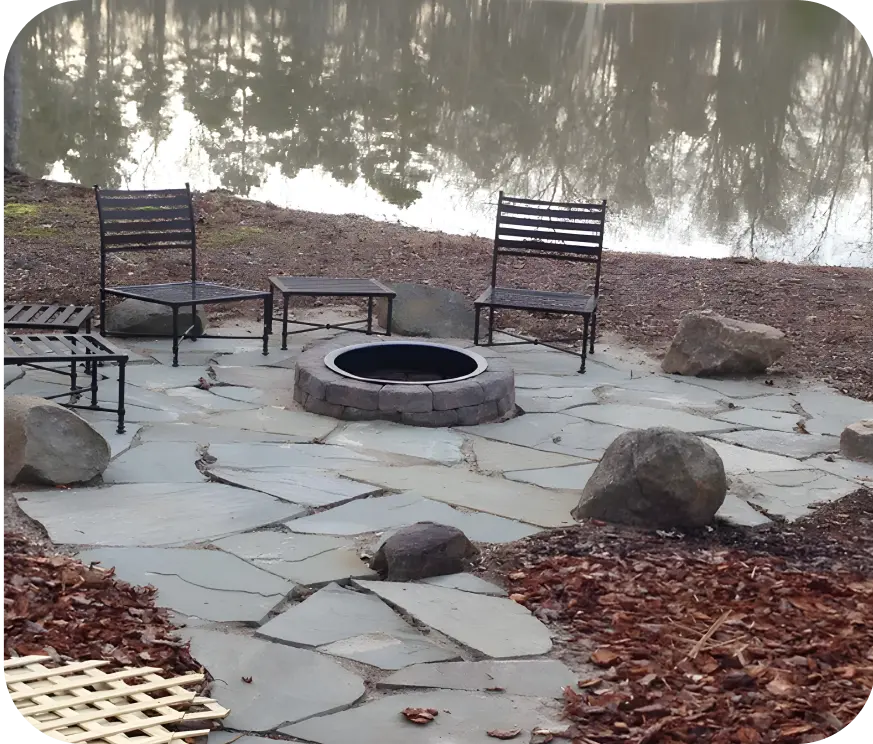
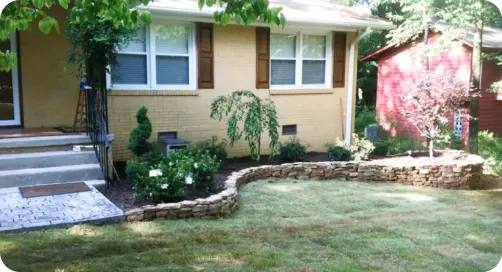
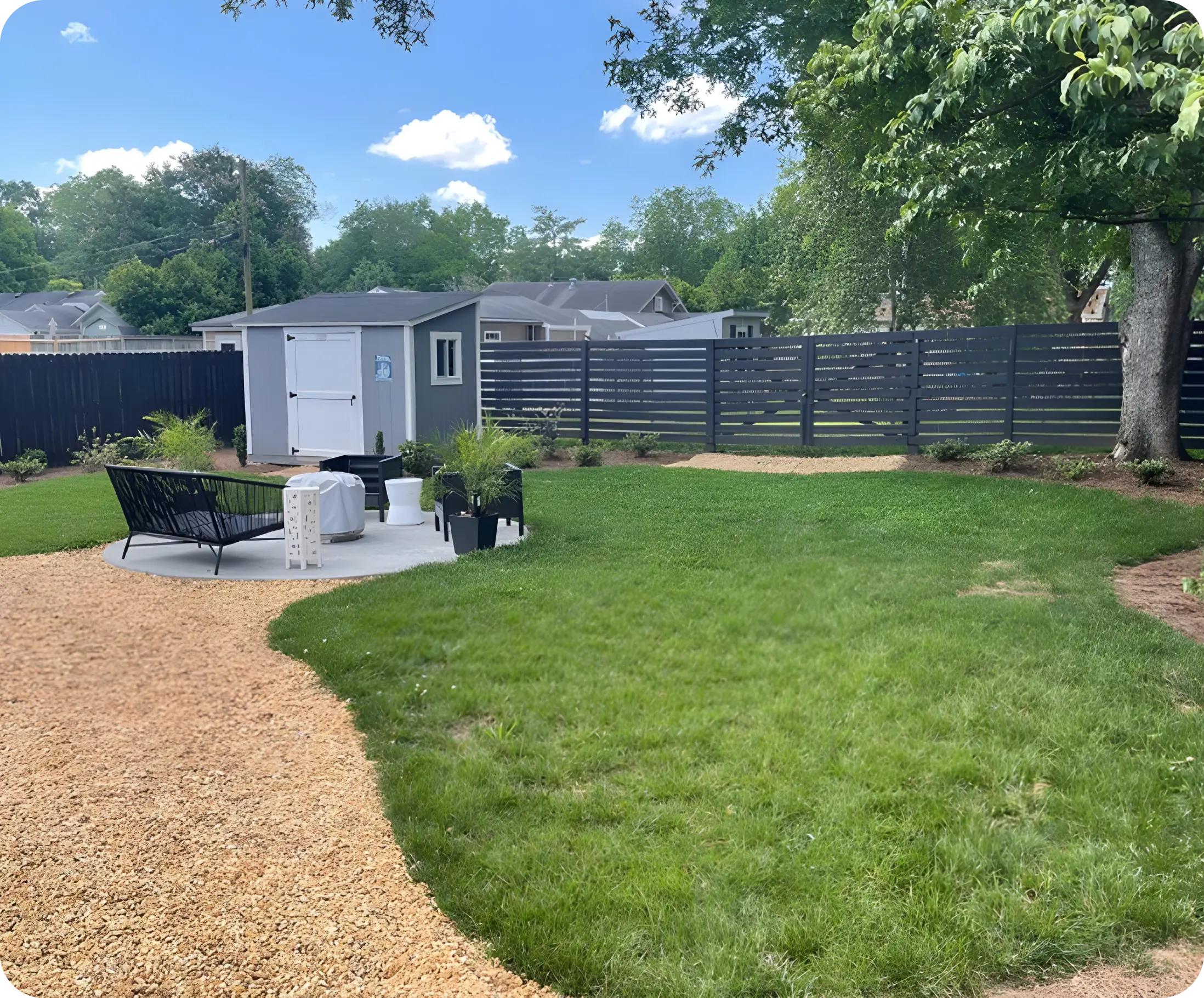
Explore our Successful Drainage Installations
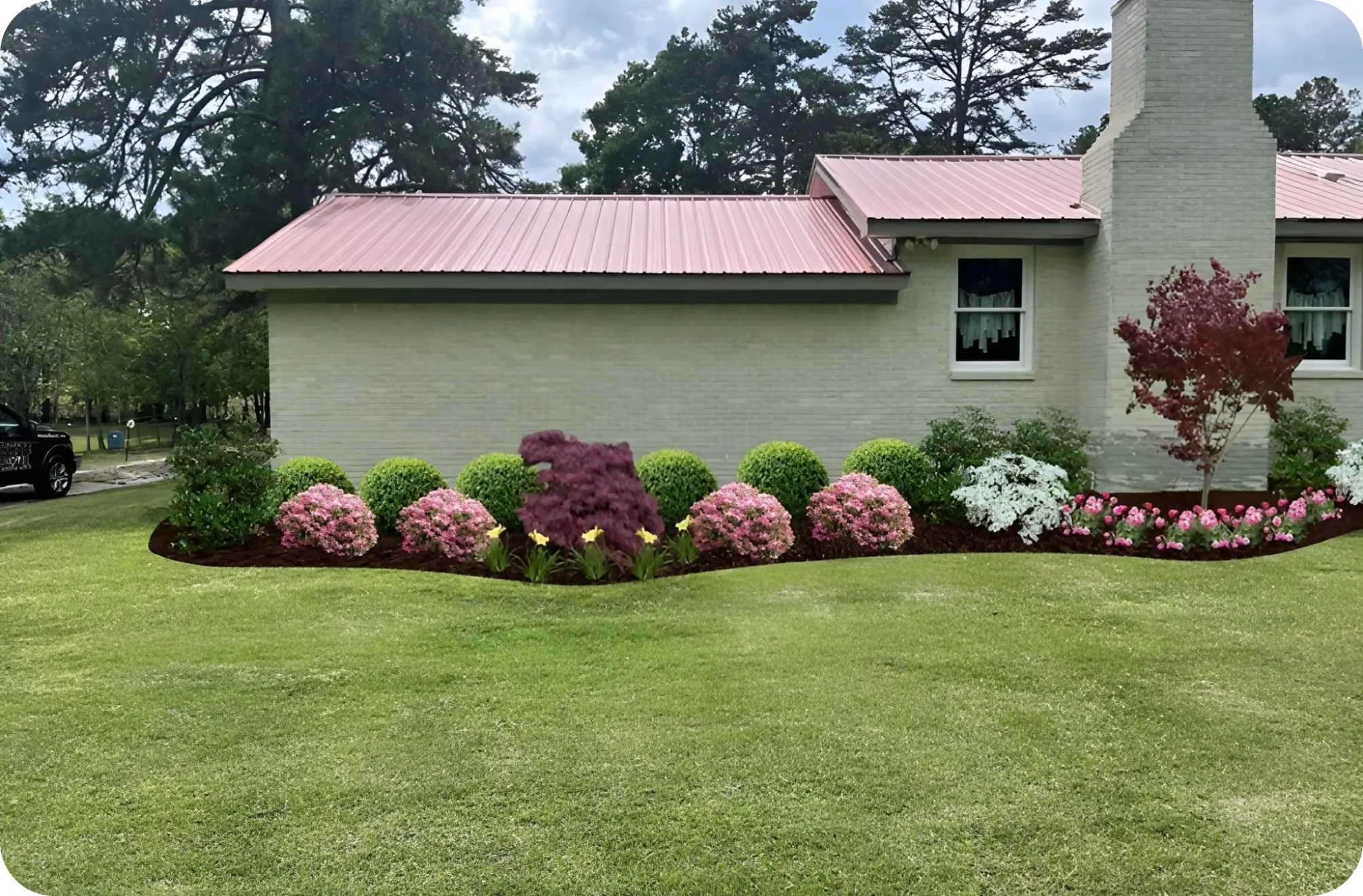
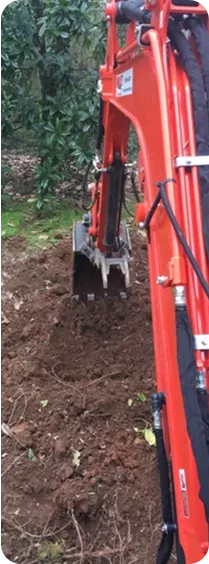
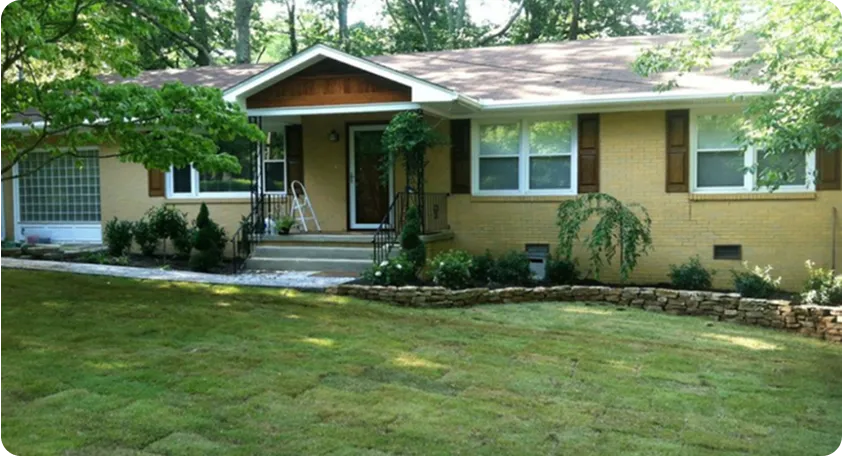
Proven Drainage Solutions to Keep Your Yard Dry
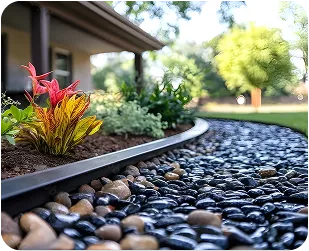
French Drains
Perfect for redirecting excess water away from your property, French drains effectively prevent flooding and erosion, keeping your yard and foundation safe during heavy rains and ensuring long-term landscape health.
Surface Drains
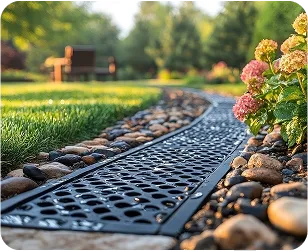
Surface drains are designed to direct water away from specific problem areas, ensuring that your yard remains dry and clean. These drains are especially useful for managing water around patios, driveways, and walkways.
Erosion Control
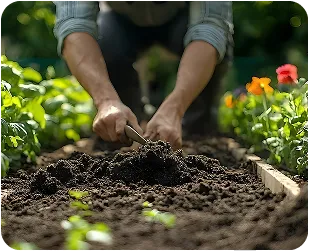
Protect your landscape from the damaging effects of soil erosion with our reliable erosion control solutions. By stabilizing soil and promoting healthy plant growth, we help preserve your yard’s beauty and structure.

Meet the Team Behind Your Dream Landscape
Our team is built of professionals who share a passion for landscaping excellence. With years of experience and a commitment to quality, we’re here to guide you through every step of your landscape transformation.


Isaac Bussey & Samantha Bussey
Owner/Operator

Sarah Bussey
Design Technician

Micaiah Bussey
Lead Concept Designer

Angel Reber
Operations Manager

Mark Hardy
Crew Technician

Irene Daniels
Design Supervisor

Chris Holmes
Installation Supervisor
Isaac Bussey & Samantha Bussey
Owner/Operator
Sarah Bussey
Design Technician
Micaiah Bussey
Lead Concept Designer
Angel Reber
Operations Manager
Mark Hardy
Crew Technician
Irene Daniels
Design Supervisor
Chris Holmes
Installation Supervisor
Why Choose Us for Your
Drainage Solutions?

Free Estimate
We walk your yard to understand your landscape and drainage challenges, and the estimate is free.

Guaranteed Fix
Our drainage solutions come with a guarantee to ensure that your issues are resolved.

Fast Installation
We work quickly and efficiently, with most installations completed in a day or two.

Lifetime Warranty
We back our systems with a lifetime warranty for peace of mind.
Bring your landscape vision to life with expert design,
unmatched quality, and personalized service.
unmatched quality, and personalized service.

What Our Client Said About Us
John M.
From Huntsville, AL

Thanks to White Shovel, my yard is finally free of standing water. The team was fast and professional, and the solution has worked perfectly!
Emma T.
Our garden was constantly flooded, but after the installation of a French drain, the problem is completely gone. Highly recommend!
Mark L.
Decatur, AL
White Shovel transformed our muddy, eroded yard into a usable space again. The erosion control system is doing wonders!
Sophia D.
Brownsboro, AL
I couldn’t believe the difference after White Shovel installed surface drains in our backyard. No more puddles, just a beautiful, dry lawn.
Chris W.
From Huntsville, AL
We had issues with both erosion and standing water. White Shovel solved it all with a custom solution and professional installation. Thank you!

Now Accepting Appointments in Huntsville, AL
Thank you! Your submission has been received!
Oops! Something went wrong while submitting the form.
Areas We Serve:

North Alabama
Serving North Alabama with unparalleled landscaping services:
- Huntsville, AL
- Madison, AL
- Athens, AL
- Decatur, AL
- New Market AL
- Hazel Green AL
- Harvest AL
- Ardmore AL
- Owens Cross Roads
- Hampton Cove AL
- Gurley AL
- Brownsboro AL
- Hartselle AL
- Cullman AL
Frequently Asked Questions
Why does water sit on top of my Huntsville yard instead of soaking in?


Because a lot of the ground here is compacted red clay, and clay doesn't let water down. It moves across the surface to the lowest point it can find. With about 55 inches of rain a year and hard spring storms, that low point fills up. Not every yard is clay, though. Some parts of Madison and Limestone counties have more forgiving loam, which is why the soil on your own lot is the first thing that matters.
Can't you just dig out the clay and put in good soil?
To a certain extent, yes. But the soil around the hole still affects the new dirt. Dig a ten-by-ten square out of clay and fill it with good soil, and you've made a small swimming pool: the water soaks into the new soil and the clay around it holds it there.
Why do my new plants keep dying in a wet bed?
Often it's the hole. Dig into clay, put a plant in and water it, and the hole turns into a bucket. It holds the water and rots the roots. Irrigation that runs all the time makes it worse. Grass can take the extra water because it runs off. A plant sitting in a clay bucket can't.
My house is new. Why is the yard so bad?
Mostly because of how it was built. Contractors tend to scrape off the good topsoil and do little to replace it, so a lot of new yards are left sitting on clay. Huntsville is building plenty of them: the Planning Commission approved 1,892 single-family lots in 2025, the most since 2007.
Is clay soil all bad?
No. Clay holds water, so a yard with some clay in it can need watering less often. Some clay is good for soil. The problem is clay with nowhere for the water to go.
My crawl space gets damp after heavy rain. Is that a drainage problem?
It can be. Many older Huntsville homes are pier-and-beam, and when the clay around them gets saturated it pushes moisture into the crawl space. Moisture and mold complaints tend to follow heavy rain.

Transforming Huntsville & Madison yards since 2011 with expert landscape design, garden makeovers, mulching, and top-quality installations.